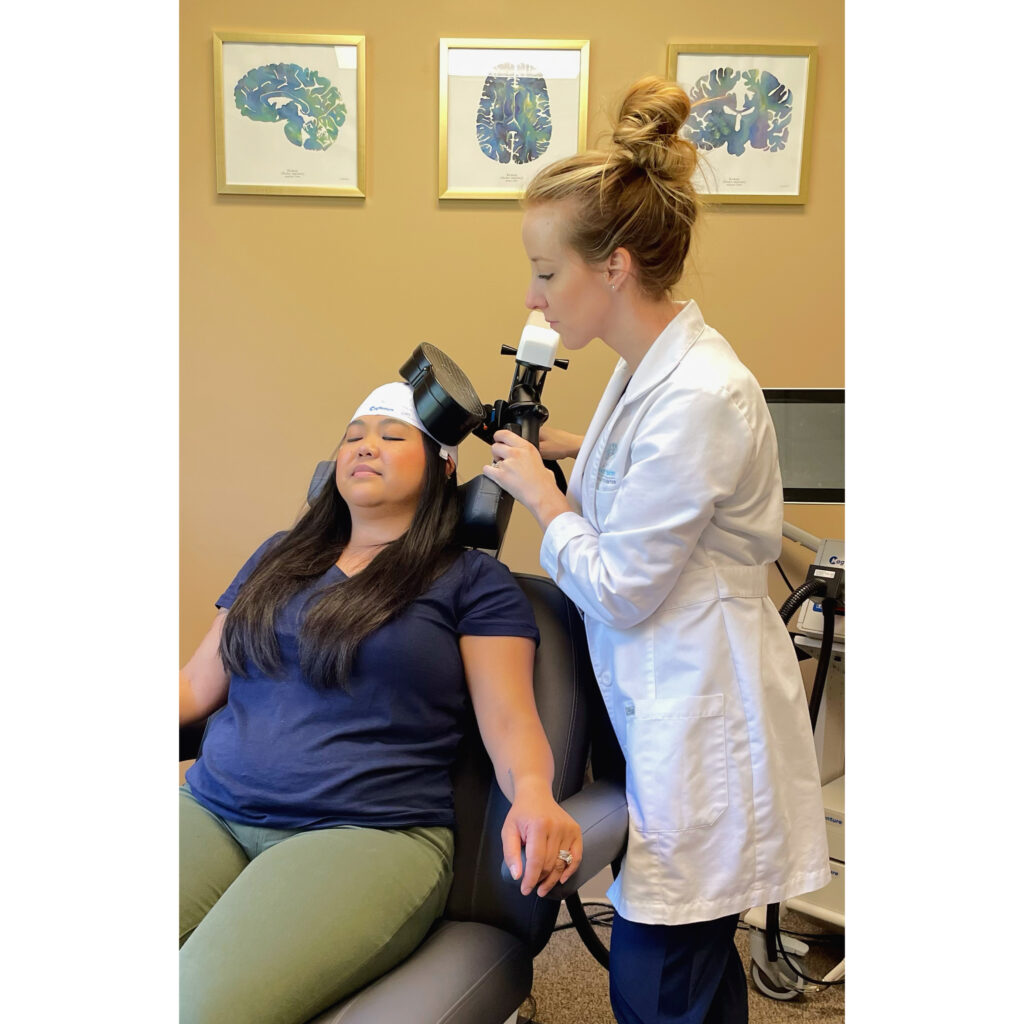
If you or someone you care about has been struggling with depression, you know just how hard it can be to find the right treatment. Sometimes, medications don’t work, or they come with side effects that are tough to handle. Talk therapy can be incredibly helpful, but for some, it’s not enough on its own. This is where Transcranial Magnetic Stimulation (TMS) therapy comes into the picture. It’s been a life-changing treatment for many people dealing with depression, especially when other methods haven’t brought relief.
But even though TMS therapy is becoming more popular and widely available, there’s still a lot of confusion and misinformation out there about what it actually is, how it works, and who it’s for.
Maybe you’ve heard about it in passing or seen something online, but you’re not quite sure if it’s safe or if it might work for you or a loved one. It’s completely normal to have questions and concerns about a treatment that might seem a bit different or new. And, when you’re facing something as challenging as depression, the last thing you want is to feel uncertain or uneasy about a treatment option.
You want to feel confident that you’re making the best decision for your health and well-being. That’s why understanding the facts about TMS therapy is so important. It’s about giving yourself—or someone you care about—the chance to explore every possible avenue for feeling better.
So, let’s take a closer look and debunk some of the most common myths about TMS therapy so you’ll have a clearer picture of what TMS is all about and whether it could be a good fit for you or someone you love.
Misconception #1: TMS Therapy is Uncomfortable
One of the most common myths about TMS therapy is that it’s a painful or uncomfortable procedure. This misconception likely stems from the association of the word “stimulation” with electric shocks. Some people also draw comparisons to ECT (Electroconvulsive Therapy). ECT involves using electrical currents to induce a controlled seizure in the brain and requires anesthesia, while TMS (Transcranial Magnetic Stimulation) uses magnetic pulses to stimulate specific areas of the brain without inducing seizures and is non-invasive, requiring no anesthesia.
TMS therapy is a non-invasive treatment. During a session, a magnetic coil is placed gently against the scalp, and it delivers magnetic pulses to specific areas of the brain. Patients may feel a tapping sensation on their scalp, but this is generally mild and not considered painful. In fact, many patients find TMS sessions relaxing and use the time to listen to music, meditate or read.
Misconception #2: Concerns About the Safety of TMS Therapy
Safety is a top concern for anyone considering a new treatment. The good news is that TMS therapy is a well-regarded and safe procedure that has been approved by the FDA since 2008 for the treatment of major depressive disorder.
TMS does not require anesthesia, and there’s no need for recovery time afterward. The magnetic fields used in TMS are similar in strength to those used in MRI machines, which are widely regarded as safe. Moreover, TMS therapy is free of the systemic side effects often associated with antidepressant medications, such as weight gain, sexual dysfunction, and drowsiness.
Misconception #3: TMS Therapy Delivers Immediate Results
Another misconception is that TMS therapy provides immediate relief from depressive symptoms. While TMS therapy isn’t an instant fix, it does work more quickly than many traditional antidepressants. Typically, patients will have a series of sessions five days a week over four to six weeks. Most people start noticing improvements within the first few weeks of treatment, but completing the full course is important to get the best results. TMS therapy requires some patience and consistency, but the benefits are well worth it.
For those looking for faster relief, we also offer ketamine treatment at Montana Psychiatry. Ketamine can provide rapid symptom relief, making it an excellent option for those who need quicker results. Whether you choose TMS therapy or ketamine, we’re here to help you find the most effective path to feeling better.
Depression Treatment in Bozeman and Billings
Understanding the real benefits and limitations of TMS therapy can make a huge difference in how you approach your treatment options. It’s natural to feel uncertain when considering a new treatment, but having accurate information can help you and your loved ones make informed decisions with confidence. Remember, the goal is to find what works best for you in your journey toward better mental health.
If you or someone you care about is struggling with depression, don’t let myths and misconceptions stand in the way of exploring all available options, including TMS therapy. It’s important to have all the facts before making decisions about your care. Our team is here to support you every step of the way, helping you navigate your treatment options and find the path that’s right for you. Reach out to us—we’re committed to helping you find the support you need and move forward with hope and confidence. Together, we can take the steps toward overcoming depression and improving your overall well-being.
TMS
by Deb (age 64)
Category: generalThe hoops I jumped through in order to be evaluated were straightforward and efficient. I met with PA Kaitlin for about an hour to discuss my history and previous medications. Then Dr. Amato joined us to further discuss my history, the TMS treatment, and answer any questions. Myrna gathered all of the information and submitted it to my health insurance company to request coverage for TMS. Fortunately, insurance approved the treatment and I was able to begin the next week. I’m sure most people have anxiety about starting a treatment like TMS. No matter how many times it’s described to you, there are many unknowns. How will I feel during treatment? Is it painful? What if this doesn’t work? What if it works for a while but then stops? In all honesty, I was very uncomfortable during the first couple of weeks of treatment. The alternating two seconds of tapping sensation caused some pain during treatment, and at the end of the first week I thought about quitting. But I had sworn to myself that TMS was a last resort and I HAD TO complete the treatment and give it a chance to work. My technician, Heather, told me that some people don’t feel the tapping at all, they only hear it. Guess I wasn’t one of those people! But as the days went by, it became easier to tolerate the treatments. During this time I also saw Lauren weekly for CBT (cognitive behavioral therapy). This is highly recommended for people undergoing TMS treatment, and it was a positive complement to my total of 100 minutes each week “under the helmet”. The weekend between weeks three and four, I started to notice subtle improvements in my mood, increased belief in my self-worth, and enthusiasm for simple things like going for walks, meeting friends for lunch, and taking on volunteer work in the community. I hesitated at first to believe that TMS was helping me. I was afraid that I was convincing myself it was working because I so desperately wanted it to! But now that I am past the treatment I can say with cert
TMS
by Barbie (age 68)
Category: generalI feel so blessed to participate in the TMS protocol at MT Psychiatry. After struggling so many years with depression and not getting significant results from medication, particularly of late, I noticed positive results in the first two weeks of treatment. TMS can literally give you back the beauty & joy in living as well as the courage to make positive life changes and improvements in your daily living situation. I heartily encourage anyone to put yourself into the hands of the amazing TMS team who so gently and graciously make this journey with you out of the black hole that is depression. It is my honor and privilege to give the TMS treatment the highest recommendation.
TMS
by Shayne (age 66)
Category: generalI am grateful for the support and caring I have received from Dr. Amato (and Heidi, Heather and Myrna) in my quest for mental health and a fuller more productive life. While the TMS results have been subtle, I feel more positive about my future and I would recommend this team absolutely. Thank you!
TMS
by Carrie (age 65)
Category: generalNot realizing how fuzzy my head was, I thought I was only going through severe anxiety and depression. Through the insight of Pat, I was able to go through TMS treatments which brought down the anxiety and depression immensely and has cleared up the fuzzy, far off substantially. All the personnel treated me with kindness and I’m sure their attitudes helped in my recovery.
TMS
by Bridget (age 47)
Category: generalThe first outcome of TMS I noted happened early in my treatment, at about the beginning of week two. I felt as though my “brain fog” had been chipped away. I wish I could report that I feel my mental health issues are in “remission”, but I can’t do so yet. My hope is that I will see improvement in the weeks to come, now that my TMS cycle has ended. I can say that my brain feels – in some way – different; I can’t explain exactly how. I continue to struggle at this point in time but sill have hope for more improvement.
Powered by Crystal Clear Digital Marketing Reviews