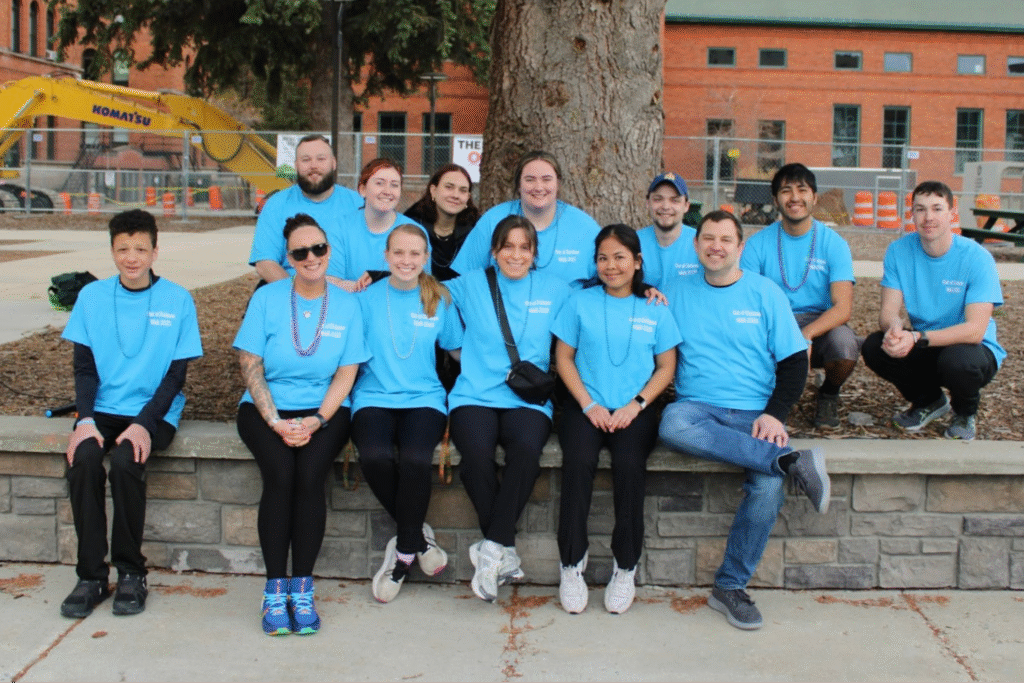
When it comes to mental health, we often focus on what’s happening inside. Our thoughts, emotions, and personal coping skills. But there’s something just as important happening around us: connection. Human beings are wired for connection, and community plays a powerful role in how we cope, grow, and heal.
A community doesn’t have to mean a huge group of people. It can be your family, your neighbors, your coworkers, a support group, a book club, or even a group chat of close friends. What matters is that it’s a place where you feel seen, supported, and understood.
Community Helps Us Feel Less Alone
One of the hardest parts of struggling with mental health is the isolation it can bring. It’s easy to feel like you’re the only one going through something difficult, especially when you’re trying to hold it all together on the outside.
But being part of a community reminds us we’re not alone. When you have people around who care, who check in, who listen—you feel supported. Even a simple “me too” can ease that sense of isolation and create a space where healing becomes possible.
A Sense of Belonging Matters
At our core, we all want to feel like we belong somewhere. Having a sense of belonging isn’t just comforting, it’s essential for our emotional well-being. When you feel like you fit in and are accepted just as you are, it builds confidence, self-worth, and resilience.
Community offers a space where we can be ourselves without judgment. Whether it’s laughing over coffee, volunteering for a cause, or showing up for a support group, these small moments help us feel connected and grounded.
Support When It Counts
Life can be tough. We all hit rough patches. Whether it’s a stressful job, a loss, a diagnosis, or just feeling overwhelmed. During these times, community becomes a safety net.
Knowing that someone is there to help, whether that means talking things through, bringing over a meal, or just sitting with you in silence, can make all the difference. Support doesn’t always have to come from mental health professionals (though that’s important too). Sometimes it’s the people in our lives who carry us through.
Finding Meaning and Purpose
Being part of a community often gives people a sense of purpose. Whether it’s helping others, sharing experiences, or working toward a shared goal, doing something meaningful with others helps us feel useful and valued.
Purpose doesn’t have to be something grand. It can be as simple as showing up, offering kindness, or making someone feel heard. These little things add up and they nourish our own mental health in the process.
Shared Interests, Beliefs, and Values Build Connection
We’re all unique, but finding others who “get” us…who share our passions, beliefs, or values can be incredibly healing. It might be a faith-based group, a hiking club, or a weekly crafting night. Whatever it is, these shared experiences create bonds and build trust.
You don’t have to agree on everything, but common ground often becomes the foundation for deeper, more meaningful relationships.
At Montana Psychiatry, We Believe in the Power of Community
Whether you’re struggling with anxiety, depression, trauma, or just trying to navigate life’s ups and downs, you don’t have to do it alone. Our team in Bozeman and Billings is here to support you and we encourage you to build your support system outside our walls, too. We’re here to walk with you on your journey to connection, purpose, and healing.
TMS
by Deb (age 64)
Category: generalThe hoops I jumped through in order to be evaluated were straightforward and efficient. I met with PA Kaitlin for about an hour to discuss my history and previous medications. Then Dr. Amato joined us to further discuss my history, the TMS treatment, and answer any questions. Myrna gathered all of the information and submitted it to my health insurance company to request coverage for TMS. Fortunately, insurance approved the treatment and I was able to begin the next week. I’m sure most people have anxiety about starting a treatment like TMS. No matter how many times it’s described to you, there are many unknowns. How will I feel during treatment? Is it painful? What if this doesn’t work? What if it works for a while but then stops? In all honesty, I was very uncomfortable during the first couple of weeks of treatment. The alternating two seconds of tapping sensation caused some pain during treatment, and at the end of the first week I thought about quitting. But I had sworn to myself that TMS was a last resort and I HAD TO complete the treatment and give it a chance to work. My technician, Heather, told me that some people don’t feel the tapping at all, they only hear it. Guess I wasn’t one of those people! But as the days went by, it became easier to tolerate the treatments. During this time I also saw Lauren weekly for CBT (cognitive behavioral therapy). This is highly recommended for people undergoing TMS treatment, and it was a positive complement to my total of 100 minutes each week “under the helmet”. The weekend between weeks three and four, I started to notice subtle improvements in my mood, increased belief in my self-worth, and enthusiasm for simple things like going for walks, meeting friends for lunch, and taking on volunteer work in the community. I hesitated at first to believe that TMS was helping me. I was afraid that I was convincing myself it was working because I so desperately wanted it to! But now that I am past the treatment I can say with cert
TMS
by Barbie (age 68)
Category: generalI feel so blessed to participate in the TMS protocol at MT Psychiatry. After struggling so many years with depression and not getting significant results from medication, particularly of late, I noticed positive results in the first two weeks of treatment. TMS can literally give you back the beauty & joy in living as well as the courage to make positive life changes and improvements in your daily living situation. I heartily encourage anyone to put yourself into the hands of the amazing TMS team who so gently and graciously make this journey with you out of the black hole that is depression. It is my honor and privilege to give the TMS treatment the highest recommendation.
TMS
by Shayne (age 66)
Category: generalI am grateful for the support and caring I have received from Dr. Amato (and Heidi, Heather and Myrna) in my quest for mental health and a fuller more productive life. While the TMS results have been subtle, I feel more positive about my future and I would recommend this team absolutely. Thank you!
TMS
by Carrie (age 65)
Category: generalNot realizing how fuzzy my head was, I thought I was only going through severe anxiety and depression. Through the insight of Pat, I was able to go through TMS treatments which brought down the anxiety and depression immensely and has cleared up the fuzzy, far off substantially. All the personnel treated me with kindness and I’m sure their attitudes helped in my recovery.
TMS
by Bridget (age 47)
Category: generalThe first outcome of TMS I noted happened early in my treatment, at about the beginning of week two. I felt as though my “brain fog” had been chipped away. I wish I could report that I feel my mental health issues are in “remission”, but I can’t do so yet. My hope is that I will see improvement in the weeks to come, now that my TMS cycle has ended. I can say that my brain feels – in some way – different; I can’t explain exactly how. I continue to struggle at this point in time but sill have hope for more improvement.
Powered by Crystal Clear Digital Marketing Reviews