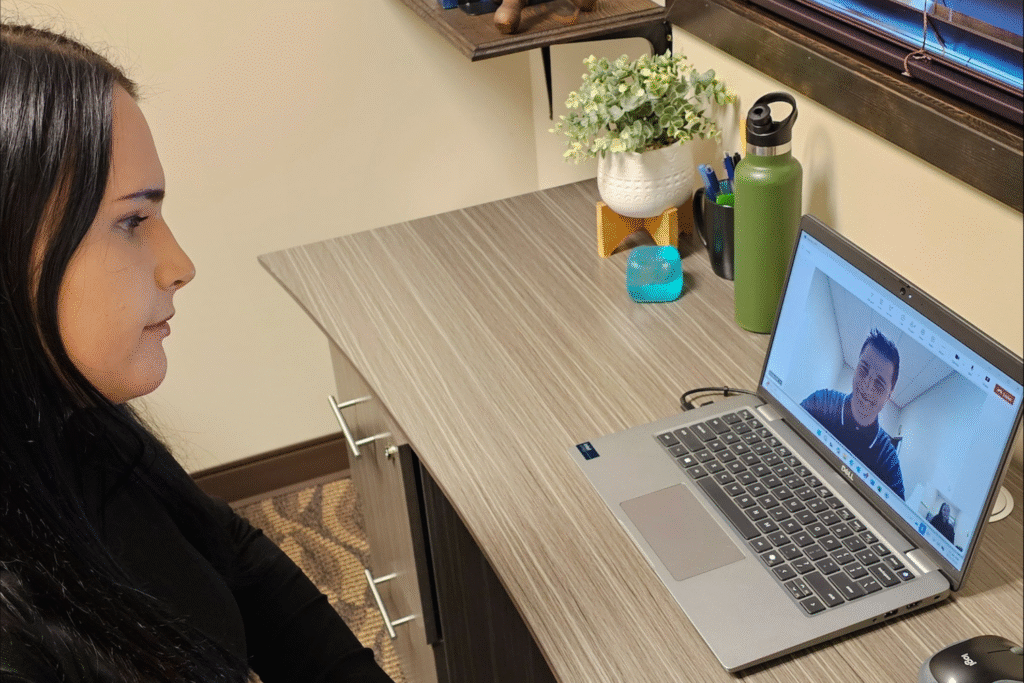
Living in Montana brings so many gifts. We have open skies, peaceful mountains, and a slower pace of life that many people crave. At the same time, living in rural areas can make it harder to get the support we need, especially when it comes to mental health. Long drives, limited providers, and busy schedules often stand in the way. That is why teletherapy and telepsychiatry are such powerful tools for people across Montana.
Teletherapy means meeting with a therapist through secure video. Telepsychiatry is similar, but it involves seeing a medical provider who can also prescribe medication when needed. Both options bring care directly to you, wherever you are. This approach has changed how people in rural communities get help, and it is opening doors for healing and hope.
Breaking Down Barriers to Care
One of the biggest struggles for people in rural Montana is the distance to providers. Many towns do not have a local therapist or psychiatrist. People often drive hours for a single appointment. That travel adds up quickly, and it can discourage people from sticking with care.
Teletherapy and telepsychiatry solve this problem by removing the need to travel. With just a phone, tablet, or computer, you can connect with a professional from your own home. This makes it easier to keep appointments and stay consistent with treatment. For many people, it means they can finally get help without rearranging their entire life.
Privacy and Comfort
Some people in small towns worry about privacy. They may feel uncomfortable walking into the local clinic and worrying about who might see them. This fear can stop someone from reaching out, even if they are suffering.
Telehealth gives you the ability to meet in the privacy of your own space. You can choose a quiet room where you feel safe and comfortable. This extra layer of privacy often helps people open up more fully, which is important for healing.
Support for Different Needs
Teletherapy and telepsychiatry are not one-size-fits-all. They can be tailored to your needs. Some people may need therapy to process emotions, manage stress, or work through trauma. Others may need psychiatric care to explore whether medication can help. Many people benefit from both.
The good news is that telehealth can provide both services. You can see a therapist one day and a psychiatrist another day, all without leaving your home. This makes it easier to build a full circle of care.
Reducing Stress Around Appointments
Appointments for mental health can already feel stressful. Add in long travel times, weather challenges, or missed work, and it can feel overwhelming. Teletherapy and telepsychiatry take away much of that stress. You do not have to plan around gas, road conditions, or traffic.
Instead, you log in at your scheduled time and focus only on your session. This makes it easier to commit to regular care and to see progress over time. For people juggling work, school, family, or ranch life, this flexibility is a game changer.
Meeting You Where You Are
Mental health struggles do not wait for a convenient time. Stress, anxiety, depression, and other challenges can affect anyone, no matter where they live. Rural life can sometimes feel isolating, especially in winter months. Having quick access to a caring professional can make a big difference.
With teletherapy and telepsychiatry, help is available right where you are. You do not have to face mental health challenges on your own. You can reach out and know that someone will meet you with compassion and understanding.
Building Ongoing Relationships
Some people worry that meeting through a screen will feel distant. The truth is that strong relationships can grow through telehealth. Providers take time to listen, care, and build trust, just like in person. Many people find that they feel just as connected, if not more, because they are talking from their own safe space.
Consistency is also easier, especially with Montana winters. Instead of missing appointments because of travel conditions or bad weather, our patients can stay connected from the comfort and safety of home. Over time, this consistency builds stronger relationships and better outcomes.Benefits for Families
Teletherapy and telepsychiatry also support families. Parents can attend sessions without needing childcare or missing work. Teens can connect with providers after school without long drives. Families can join together for sessions when needed. This flexibility helps bring mental health support into daily life.
Hope for the Future
The mental health needs in Montana are real, and many people have felt the weight of limited access. Teletherapy and telepsychiatry are helping to close that gap. They bring care to people who may have felt forgotten or left out before. Every time someone logs into a session, it proves that healing can reach across miles and connect people with the support they deserve.
Mental health is not just about treating illness. It is about building resilience, finding balance, and creating a life that feels worth living. Telehealth is helping more Montanans take those steps.
Taking the First Step
If you have been thinking about reaching out for help, know that it has never been easier. You do not need to drive hours or rearrange your whole life. Support is available from your own home. The first step may feel scary, but it can also be the beginning of healing.
At Montana Psychiatry, we believe every person deserves access to compassionate, professional care, no matter where they live. Our team is here to walk with you, to listen without judgment, and to help you find the support that fits your needs.
You are not alone. If you are struggling, please reach out. Teletherapy and telepsychiatry can make mental health care possible, even from the most rural parts of Montana. Your well-being matters, and help is only a click away.
TMS
by Deb (age 64)
Category: generalThe hoops I jumped through in order to be evaluated were straightforward and efficient. I met with PA Kaitlin for about an hour to discuss my history and previous medications. Then Dr. Amato joined us to further discuss my history, the TMS treatment, and answer any questions. Myrna gathered all of the information and submitted it to my health insurance company to request coverage for TMS. Fortunately, insurance approved the treatment and I was able to begin the next week. I’m sure most people have anxiety about starting a treatment like TMS. No matter how many times it’s described to you, there are many unknowns. How will I feel during treatment? Is it painful? What if this doesn’t work? What if it works for a while but then stops? In all honesty, I was very uncomfortable during the first couple of weeks of treatment. The alternating two seconds of tapping sensation caused some pain during treatment, and at the end of the first week I thought about quitting. But I had sworn to myself that TMS was a last resort and I HAD TO complete the treatment and give it a chance to work. My technician, Heather, told me that some people don’t feel the tapping at all, they only hear it. Guess I wasn’t one of those people! But as the days went by, it became easier to tolerate the treatments. During this time I also saw Lauren weekly for CBT (cognitive behavioral therapy). This is highly recommended for people undergoing TMS treatment, and it was a positive complement to my total of 100 minutes each week “under the helmet”. The weekend between weeks three and four, I started to notice subtle improvements in my mood, increased belief in my self-worth, and enthusiasm for simple things like going for walks, meeting friends for lunch, and taking on volunteer work in the community. I hesitated at first to believe that TMS was helping me. I was afraid that I was convincing myself it was working because I so desperately wanted it to! But now that I am past the treatment I can say with cert
TMS
by Barbie (age 68)
Category: generalI feel so blessed to participate in the TMS protocol at MT Psychiatry. After struggling so many years with depression and not getting significant results from medication, particularly of late, I noticed positive results in the first two weeks of treatment. TMS can literally give you back the beauty & joy in living as well as the courage to make positive life changes and improvements in your daily living situation. I heartily encourage anyone to put yourself into the hands of the amazing TMS team who so gently and graciously make this journey with you out of the black hole that is depression. It is my honor and privilege to give the TMS treatment the highest recommendation.
TMS
by Shayne (age 66)
Category: generalI am grateful for the support and caring I have received from Dr. Amato (and Heidi, Heather and Myrna) in my quest for mental health and a fuller more productive life. While the TMS results have been subtle, I feel more positive about my future and I would recommend this team absolutely. Thank you!
TMS
by Carrie (age 65)
Category: generalNot realizing how fuzzy my head was, I thought I was only going through severe anxiety and depression. Through the insight of Pat, I was able to go through TMS treatments which brought down the anxiety and depression immensely and has cleared up the fuzzy, far off substantially. All the personnel treated me with kindness and I’m sure their attitudes helped in my recovery.
TMS
by Bridget (age 47)
Category: generalThe first outcome of TMS I noted happened early in my treatment, at about the beginning of week two. I felt as though my “brain fog” had been chipped away. I wish I could report that I feel my mental health issues are in “remission”, but I can’t do so yet. My hope is that I will see improvement in the weeks to come, now that my TMS cycle has ended. I can say that my brain feels – in some way – different; I can’t explain exactly how. I continue to struggle at this point in time but sill have hope for more improvement.
Powered by Crystal Clear Digital Marketing Reviews