
ADHD Paralysis: Why You Feel Stuck and What Can Help
ADHD paralysis is an informal term for the experience of being unable to start or continue a task, even when you know what needs to be done and truly want to do it. You may sit staring at a screen, scroll for an hour, or feel frozen by a long list, all while feeling guilty about the delay. It is not a formal medical diagnosis, but it describes something many people with ADHD report, and it is closely tied to how the brain manages planning, starting, and emotions.

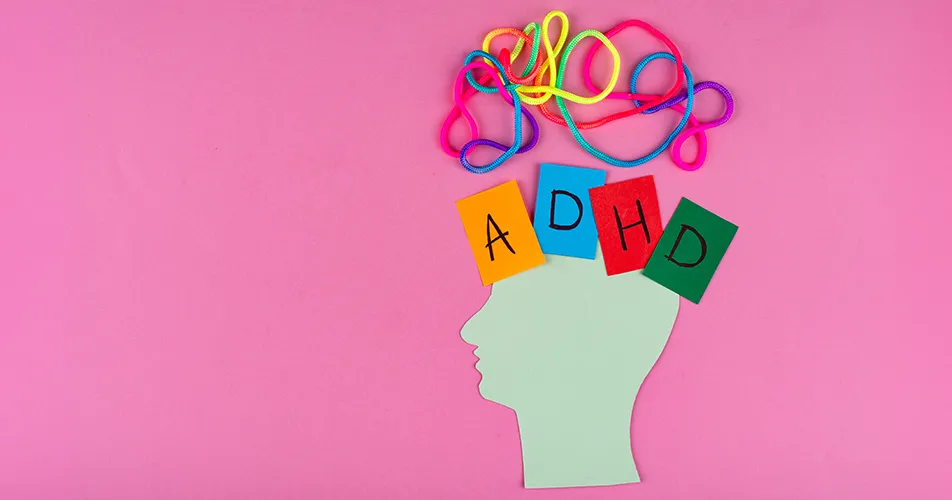
For adults and families across Montana, this guide explains what ADHD paralysis is, how it differs from procrastination and executive dysfunction, why it happens, what may help, and when to talk with a mental health professional. Ready to talk with someone? You can start with our secure patient portal.
- ADHD paralysis is a community term, not a diagnosis. It usually describes trouble with task initiation, overwhelm, or decision making.
- It overlaps with executive dysfunction, the broader difficulty with planning, prioritizing, starting, and following through.
- It is not laziness, and it is not a sign of poor character or low intelligence.
- Similar freezing can also occur with depression, anxiety, burnout, and trauma, so the cause is not always ADHD.
- Practical strategies, therapy, and, when appropriate, medication can help. A qualified clinician can help you sort out what is behind it.
What Is ADHD Paralysis?
ADHD paralysis is a popular way to describe the frozen, stuck feeling that can happen when a person with ADHD faces a task, a decision, or a wave of overwhelm. It does not appear in the current diagnostic manual as its own condition. Clinicians generally understand it as a felt experience linked to executive function difficulties, which are common in ADHD.
The experience usually has a recognizable feel. The intention is there, and the effort is missing. Someone may know exactly what to do, may even be thinking about it constantly, and still cannot begin. Because the task stays undone, guilt and stress build, which can make starting even harder.
Is ADHD Paralysis a Real Diagnosis?
No. Neither the current edition of the diagnostic manual used in the United States nor the World Health Organization's classification lists it as a condition. That does not make the experience imaginary. People describe it consistently, and it lines up with well documented executive function differences in ADHD, including trouble with task initiation, working memory, and emotional regulation.
It is also not enough by itself to say whether someone has ADHD. Feeling stuck can happen to anyone, and it can come from many causes. A qualified clinician looks at the full pattern of symptoms across a person's life.
ADHD Paralysis, Executive Dysfunction, and Procrastination
These terms are often used as if they mean the same thing, but they describe different ideas.
| Term | What it means | Key features |
|---|---|---|
| ADHD paralysis | An informal term for a frozen, stuck feeling at the point of starting or deciding | Wanting to act but being unable to begin, often with overwhelm and guilt |
| Executive dysfunction | A broader pattern of difficulty with planning, prioritizing, starting, sustaining effort, and organizing | Ongoing across many areas of life, common in ADHD but not limited to it |
| Procrastination | Delaying a task, often by choice or avoidance | Common to everyone, and often eases when the deadline gets close or the task feels easier |
In simple terms, executive dysfunction is the wider category, and ADHD paralysis is one way it can feel. Neither is a formal diagnosis by itself.
What Does ADHD Paralysis Feel Like?
People describe it in different ways, but several patterns come up often.
Task Paralysis
You want to start, and you cannot. A simple task, such as replying to an email, doing laundry, or making a phone call, feels much bigger than it should. Time passes, and the pressure grows.
Decision Paralysis
Too many choices, or a choice that feels high stakes, can leave you stuck. Small decisions such as what to eat or which task to do first may feel as heavy as large ones.
Overwhelm Paralysis
When many demands pile up at once, the mind can shut down. You may not know where to begin, so you do nothing, or you switch between distractions.
Waiting Paralysis
Some people describe being unable to start anything when an appointment or event is coming up later in the day, because time feels uncertain and they cannot settle into a task.
Common Signs
- Knowing what needs to be done but feeling unable to start
- Staring at a task, screen, or list without moving
- Switching to easier or more interesting activities
- Feeling overwhelmed by large or unclear tasks
- Struggling to choose between options
- Guilt, shame, or frustration about not getting things done
- Sudden bursts of action when a deadline is very close
Having some of these sometimes is common. The pattern matters more than any single day.
Why Does ADHD Paralysis Happen?
There is rarely a single reason. Several processes can work together, and researchers are still learning how they interact.
Executive Function Challenges
Executive functions are the mental skills that help a person plan, organize, start tasks, hold information in mind, and shift between activities. Starting a task depends on several of these working together. In ADHD, differences in executive function are well documented, so the steps between intending to act and actually acting can feel harder.
Emotional Overwhelm
Many people with ADHD describe strong emotions and quick overwhelm. Feeling anxious about a task, afraid of doing it wrong, or embarrassed about past delays can add weight. When emotions run high, starting can feel out of reach.
Motivation and Reward
Research suggests that ADHD involves differences in how motivation and reward are regulated. Many people find it easier to start tasks that feel interesting, new, urgent, or rewarding, and harder to start tasks that feel boring or unclear. This is one reason a person may focus for hours on something engaging and freeze on a routine task.
Time Perception
Difficulty sensing how much time has passed or how long a task will take is common in ADHD. Some people describe feeling that everything is either "now" or "not now," which can make it hard to begin tasks with distant deadlines.
Perfectionism and Fear of Failure
Years of criticism or missed expectations can lead to fear of getting things wrong. Some people feel that if they cannot do a task perfectly, it is safer not to start.
Fatigue, Stress, and Sleep
Being tired, stressed, or short on sleep reduces mental energy for everyone, and the effect can be stronger in people who already struggle with executive function.
Other Reasons You Might Feel Frozen
Not everyone who feels stuck has ADHD. Similar experiences can come from several other causes.
- Depression. Low energy, low motivation, and heaviness can make starting tasks feel impossible.
- Anxiety. Worry about doing something wrong or being judged can lead to avoidance and freezing.
- Burnout. Long periods of high demand can drain the capacity to begin new tasks.
- Trauma related stress. A freeze response can occur when something feels threatening or overwhelming.
- Sleep problems. Poor sleep reduces focus, motivation, and mood.
- Medical conditions. Thyroid problems and other health issues can affect energy and concentration.
Because these can look alike, a professional evaluation is the best way to understand what is behind your experience. Many people have more than one factor at the same time.
How ADHD Paralysis Can Affect Daily Life
The effects vary, but they can be significant when the pattern is frequent.
- Work and school. Missed deadlines, last minute rushing, or difficulty starting projects
- Home life. Unopened mail, piling laundry, or unfinished chores
- Health and appointments. Delays in scheduling care or refilling prescriptions
- Relationships. Misunderstandings when others see delay as lack of care
- Mood and self esteem. Guilt, shame, and a sense of failure that build over time
Many people are hard on themselves, believing they should simply try harder. Understanding that the difficulty is real and brain based often makes it easier to look for practical help.
How to Overcome ADHD Paralysis: 10 Practical Strategies
These ideas are general education, not a replacement for professional care. Try one or two at a time and keep what works for you.
- Shrink the first step. Make the starting action almost laughably small, such as opening the document, putting on your shoes, or picking up one item.
- Try a two minute start. Tell yourself you only need to work for two minutes. Often starting is the hardest part, and momentum may follow.
- Write it down. Move tasks from your head to paper or a phone note so you are not holding everything in mind.
- Break big tasks into visible steps. List the first three actions rather than the whole project.
- Use a timer. Short focused blocks with planned breaks can make tasks feel contained.
- Try body doubling. Working alongside another person, in person or online, can make it easier to begin and stay with a task.
- Reduce choices. Create defaults for small decisions, such as a set weekly meal plan or a standard morning routine.
- Change your environment. Move to a different room, clear the surface, or add music if it helps you focus.
- Start with the easiest or most interesting part. Beginning anywhere can create momentum for the rest.
- Aim for good enough. Set a "first draft" or "ten minute" standard so perfection does not block the start.
What to Do in the Moment When You Feel Frozen
When you are already stuck, a short reset may help.
- Name what is happening. Say, "I am feeling stuck, and that is okay."
- Move your body. Stand up, stretch, or walk for a minute to shift your state.
- Take a slow breath. Lengthen your exhale to help your body settle.
- Choose one tiny action. Pick the smallest step and do only that.
- Speak to yourself kindly. Notice harsh self talk and replace it with the tone you would use with a friend.
Long Term Supports That May Help
Over time, steady routines can reduce how often you get stuck. Regular sleep, physical activity, and predictable daily structure support attention and mood. Visual reminders, shared calendars, and consistent places for important items can lighten the mental load. At work or school, practical accommodations such as written instructions, clear deadlines, and check ins may help. It also helps to reduce unnecessary demands when you are stretched thin.
Treatment Options for ADHD Related Executive Function Difficulties
Support depends on what is behind the paralysis and how much it affects your life.
A Professional Evaluation
A clinician can assess whether ADHD or another condition, such as depression or anxiety, may be contributing. The evaluation usually includes a conversation about your symptoms, history, daily functioning, sleep, and health, and it may include rating scales. Your information is protected by privacy laws, including HIPAA.
Medication
For people who are diagnosed with ADHD, medication may be part of care. Medicines for ADHD include stimulant and nonstimulant options. Decisions about whether to use medication, which one, and at what dose belong to a licensed prescriber who considers your health history, other conditions, and other medicines. Never start or stop a medication on your own.
Therapy and Skills Training
Cognitive behavioral therapy adapted for adult ADHD can help with planning, time management, and unhelpful thoughts such as harsh self criticism. Some people also work with coaches to build routines and systems that fit their strengths.
Mindfulness Based Approaches
Systematic reviews suggest that mindfulness based programs may offer benefits for some people with ADHD related symptoms, though results vary across studies. Short, practical practices can be adapted to fit daily life.
Treating Co Occurring Conditions
When depression, anxiety, sleep problems, or trauma related stress are present, addressing them alongside ADHD often makes daily strategies work better.
Common Myths About ADHD Paralysis
- Myth: ADHD paralysis is laziness. It is a stuck feeling that occurs despite wanting to act, and many people work hard to overcome it.
- Myth: It is the same as procrastination. They overlap, but procrastination is delay by choice or avoidance, while paralysis feels like being unable to begin.
- Myth: If you can focus on things you enjoy, you cannot have ADHD. Focus on interesting tasks alongside difficulty with boring ones is a common ADHD pattern.
- Myth: You just need more willpower. Willpower alone rarely solves difficulties with planning and starting. Systems and support tend to help more.
- Myth: Only people with ADHD get stuck like this. Depression, anxiety, burnout, and stress can also cause it.
How to Support Someone Who Feels Stuck
If someone you care about is struggling to begin tasks, avoid labeling it as laziness or urging them to try harder. Ask what would help, offer to work alongside them, and help break a task into small steps if they welcome it. Keep reminders kind and specific. Encourage them to speak with a qualified professional if the pattern is long standing, and take care of your own wellbeing as well.
When to Seek Professional Help
Consider talking with a qualified mental health provider if:
- Getting stuck happens often and affects work, school, home, or relationships
- You have had difficulty with focus and organization for many years
- You feel persistently low, hopeless, or overwhelmed
- Anxiety or worry about tasks is hard to control
- You feel burned out or exhausted despite trying to cope
- Practical strategies have not been enough
- You have thoughts of harming yourself
When to Get Urgent Help
If you or someone you know is thinking about suicide, planning to harm themselves or someone else, or cannot stay safe, call or text 988 to reach the 988 Suicide and Crisis Lifeline in the United States. Chat is available at 988lifeline.org. Support is available 24 hours a day, every day. For immediate danger, call 911. If you are outside the United States, contact your local emergency number.
- ADHD paralysis is an informal term for feeling unable to start or continue tasks, and it is not a formal diagnosis.
- It is closely tied to executive function difficulties, emotional overwhelm, and differences in motivation and time perception.
- Depression, anxiety, burnout, and trauma related stress can cause similar freezing.
- Small first steps, external reminders, body doubling, and kindness toward yourself can help.
- A qualified clinician can evaluate the cause and discuss therapy, skills training, and medication when appropriate.
References and Further Reading
- National Institute of Mental Health (NIMH). Attention-Deficit/Hyperactivity Disorder.
- CHADD (Children and Adults with Attention-Deficit/Hyperactivity Disorder). Overview of ADHD.
- National Alliance on Mental Illness (NAMI). ADHD.
- American Psychological Association. What Is ADHD?
Talk With a Mental Health Professional About ADHD Symptoms
You do not have to keep pushing through this alone. The clinicians at Montana Psychiatry offer care that begins with listening, and a first visit is a chance to describe what you have been experiencing and to talk through options at a pace that feels manageable. If feeling stuck is affecting your daily life, we invite you to take the first step. To protect your privacy, please avoid sharing detailed health information in comments, social media messages, or unsecured email. The patient portal is the secure place to begin.
Become a Patient