How to Care For Yourself When You Have To Care For Others

Self-care is one of those buzzwords that can conjure up images of relaxing bubble baths and weekend spa retreats. This is just another one of society’s misconceptions because, in reality, proper self-care doesn’t have to cost a dime. It’s also not just a trend- it’s a necessity! Why? Because you deserve to take care of […]
Helping Someone in Crisis – Healthcare Professional Resources
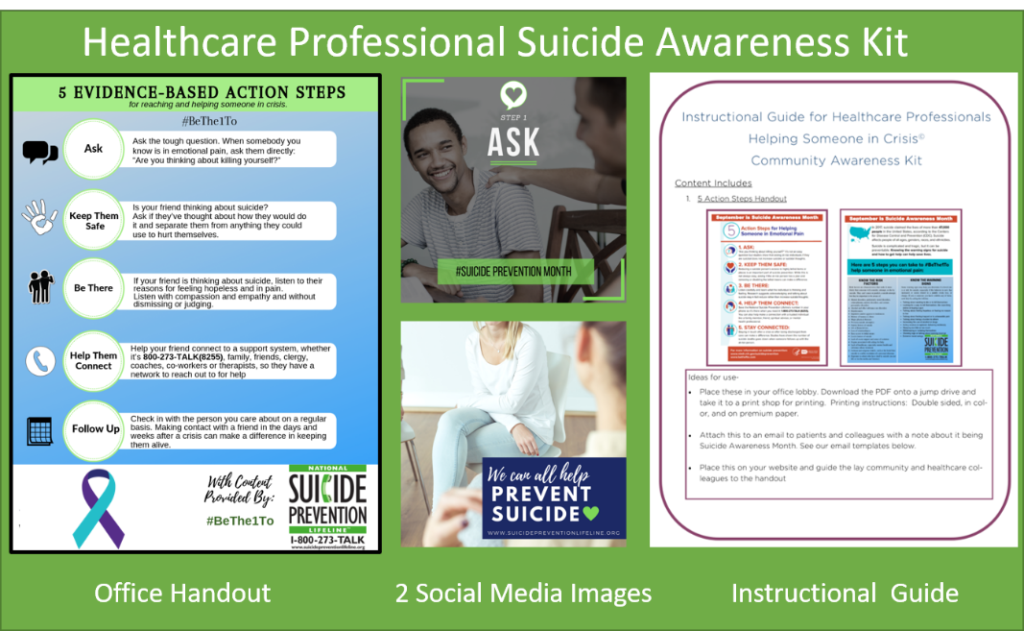
As healthcare providers, we are on the frontline to identify patients that may be suicidal. To educate the community (and also our colleagues) Montana Psychiatry & Brain Health Center has assembled a FREE Suicide Awareness Healthcare Professional Resource Kit. Each part of the kit can be integrated separately into your practice. We would suggest beginning […]
Managing Emotions: A 3-Step Plan For College-Bound Families

The transition from high school to campus life is a BIG milestone for a teen! A milestone that’s met with great anticipation and excitement for many adolescents. It’s the first time living alone… adapting to unfamiliar schedules… and adjusting to a new stage in life. As parents, helping your child make the transition to college […]
Real Stories from Montana Psychiatry’s TMS Patients
4 Ways Ketamine is Saving Lives by Fighting Depression

Ketamine is a drug that has traveled a long and winding road in the past six decades, and today it is providing hope for the more than 18 million Americans who are affected by depression. First developed in 1962, ketamine began to be used as a general anesthetic in the 70s because it produced few […]
The Evolution of Transcranial Magnetic Stimulation

Transcranial magnetic stimulation (TMS), a noninvasive procedure that uses magnetic fields to stimulate nerve cells in the brain, has been used for decades to treat patients suffering from depression. TMS was approved by the Food and Drug Administration in 2008 to be used for people who have not shown adequate improvement after taking at […]
Tips for Back-to-School Success

Summer — sunshine, fun, vacations, and no routine! Even though the reprieve from school year stress is terrific for mental health, it can create challenges as parents and students try to get back to the routine of the school schedule. The adjustment of this change in schedule can cause stress which may be unhealthy […]
What Really is Clinical Depression?

In the past 2 years, I have attended over 10 conferences introducing scientific evidence and new concepts to identify and better treat clinical depression. One consistent fact is that patients with depression often don’t respond to their first antidepressant. Furthermore, many are concerned that another antidepressant may help less than the first one. Our whole […]